When vending operators want to grow, the usual answer is simple: add another machine. Find another location.
But expansion is expensive. A new machine can require $5,000 or more upfront, plus location fees, installation, initial inventory, maintenance, and payment-system costs.
It also adds another stop to your route, meaning more driving, more service time, and more labor. If the new location starts slowly, it may take months or even years to break even.
A planogram adjustment is different. It uses the machine, location, and customer traffic you already have. Replacing a weak product, giving a best seller more capacity, or preventing a stockout can begin improving results almost immediately.
A full machine can still be losing sales
Every slot is valuable retail space.
If a slow-selling product sits untouched for weeks, it takes capacity away from something customers may buy every day. At the same time, a popular item might sell out long before the next service visit.
The machine still looks full, but it is not stocked to maximize sales.
The goal is to stock the right products, in the right quantities, for that specific location.
Sales and inventory data can reveal:
- Products that sell quickly
- Best sellers that repeatedly run out
- Slow items consuming valuable space
- Products that perform differently by location
- Slots generating the most revenue and profit
A product that works in a warehouse may fail in an apartment building. Every location has its own customers and ideal product mix.
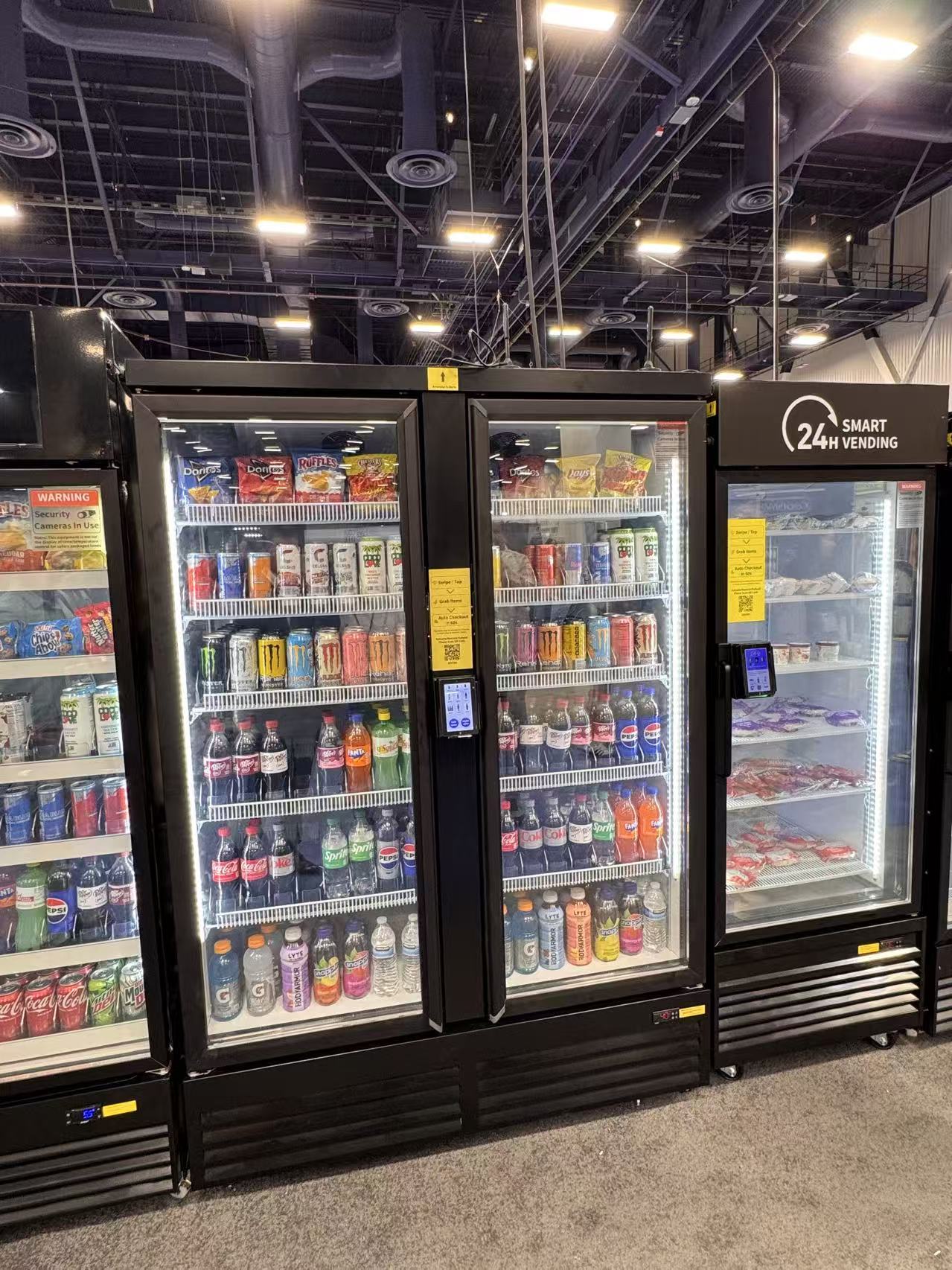
Your planogram is a profit strategy
A planogram is more than a diagram showing where products belong.
It determines which products receive the best visibility, how much capacity each item gets, and how easily customers can find what they want.
Small changes can make a real difference:
- Give a frequent best seller another slot
- Move a promising product to a stronger position
- Replace a weak SKU with a proven local favorite
- Group related products together
- Reduce capacity for items that rarely sell
Record each change and compare sales before and after. This turns planogram decisions from guesswork into measurable experiments.
Restock based on demand, not habit
A strong planogram still underperforms if its best products are regularly empty.
Fixed service schedules can send operators to machines that do not need attention while high-volume machines run out of popular products.
Data-driven restocking helps answer:
- Which machine needs service first?
- Which products are close to selling out?
- How much inventory should be loaded?
- Which visit can safely wait?
- How much revenue is at risk?
The goal is not to visit every machine more often. It is to visit the right machine at the right time, with the right products ready to load.
That means fewer unnecessary trips, less travel time, and fewer lost sales.
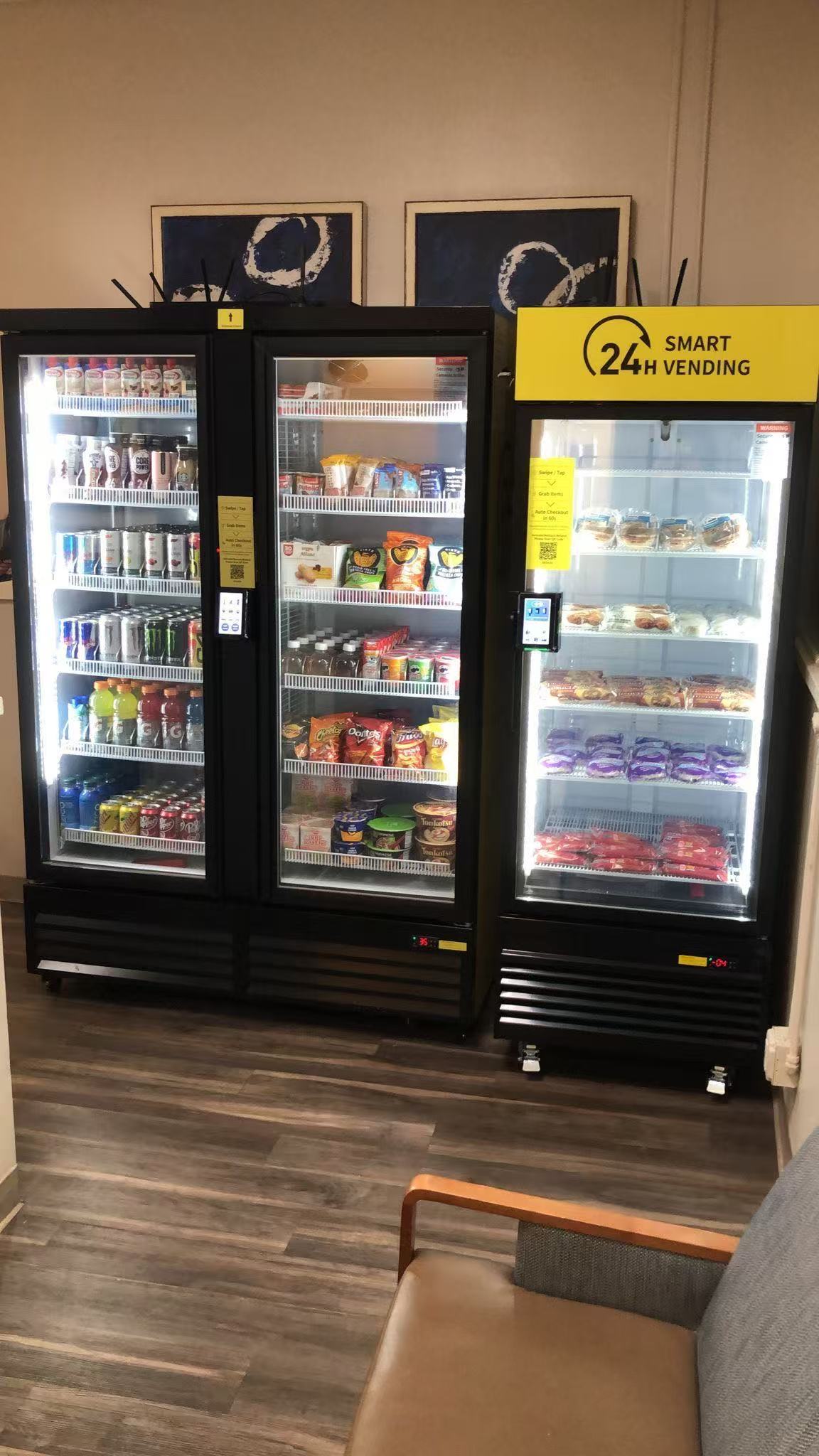
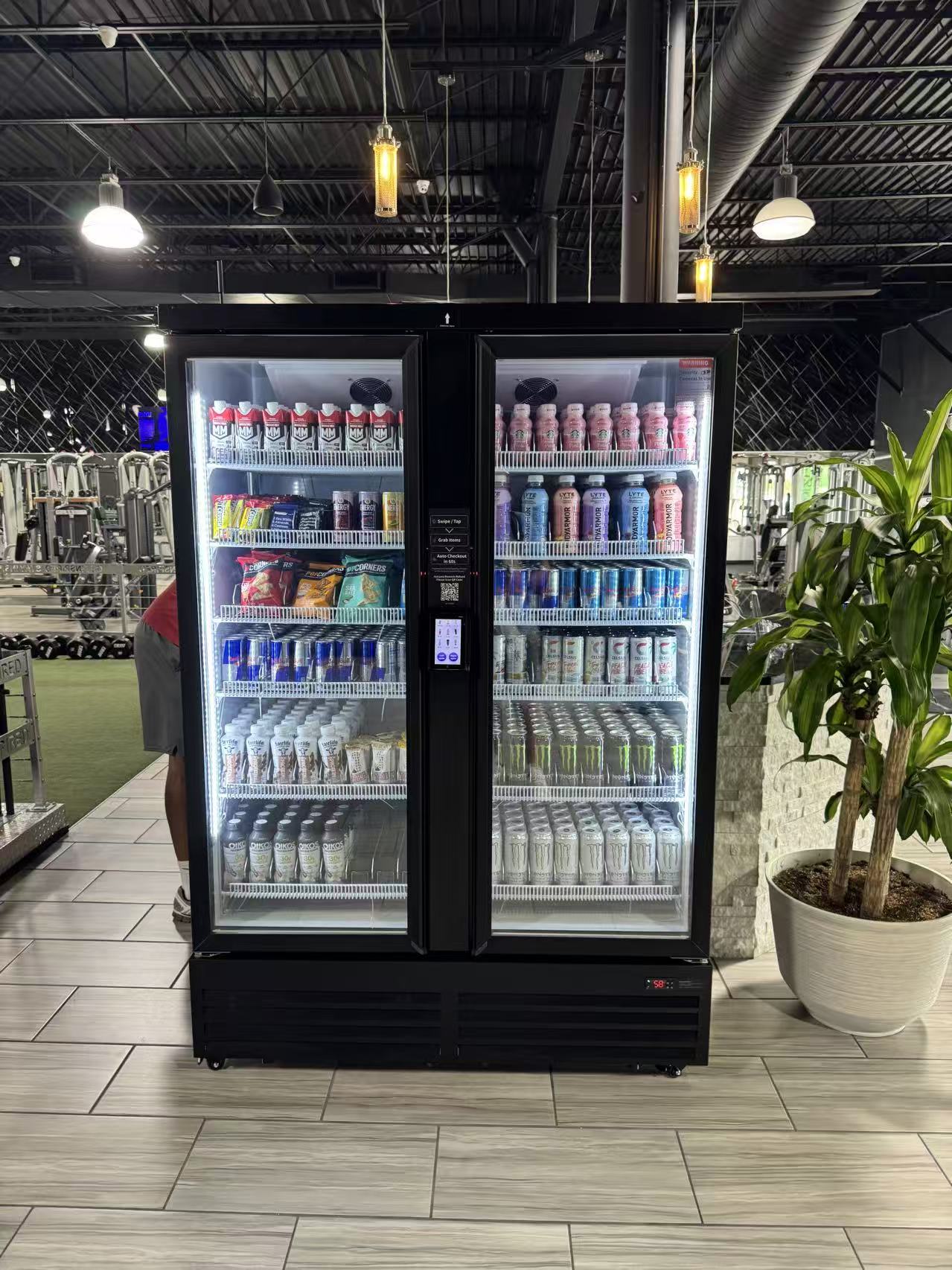
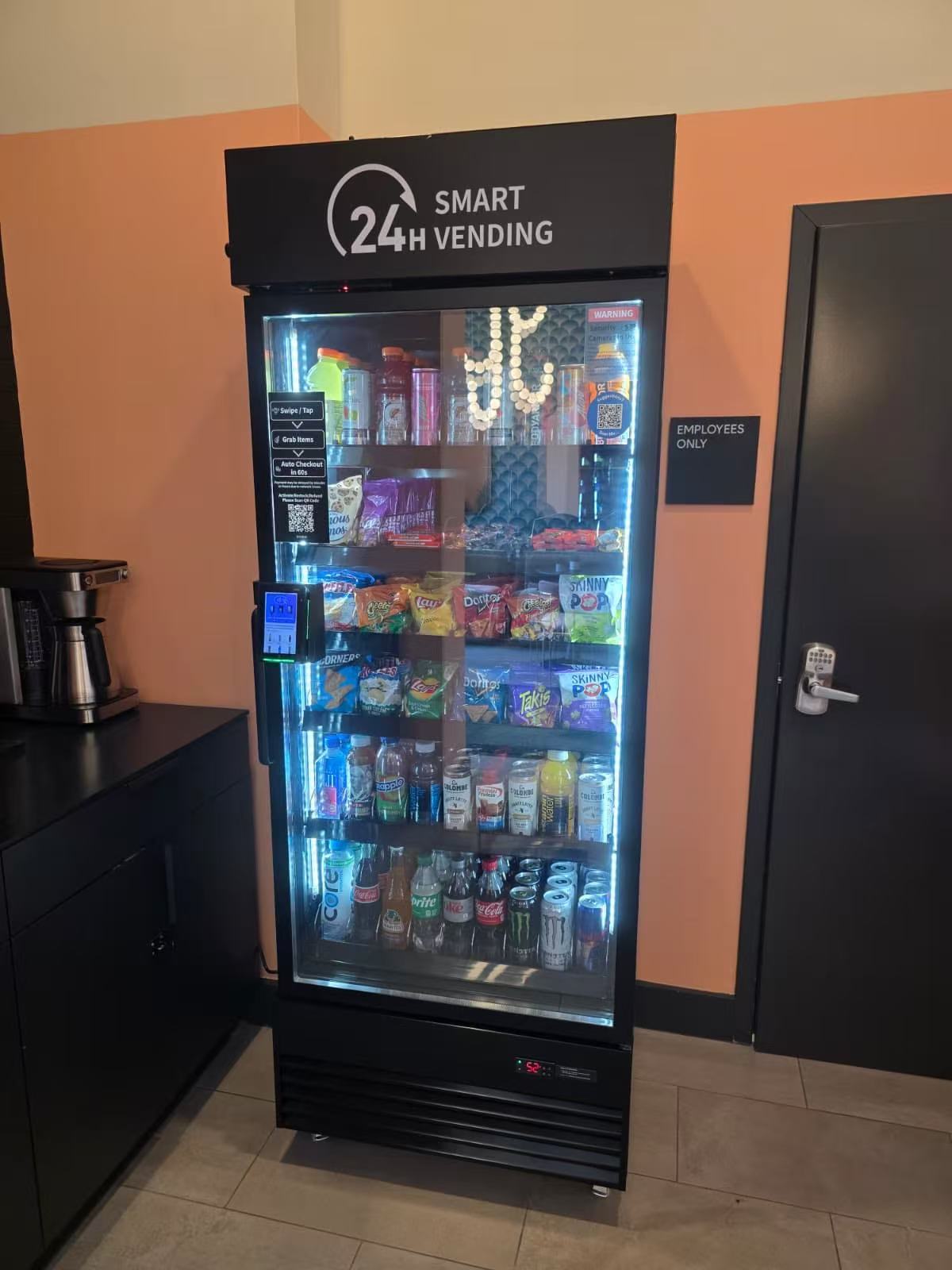
Optimization can produce faster returns
Consider a machine generating $5,000 per month.
If a better product mix, stronger planogram, and fewer stockouts improve sales by 10%, that represents approximately $500 in additional monthly revenue.
Now compare that with placing a new machine:
- $5,000 or more in potential upfront equipment cost
- Possible location or commission fees
- Installation and starting inventory
- Another stop added to the route
- More fuel, travel time, and service labor
- An uncertain path to break-even
This is an illustration, not a guaranteed result. Actual costs and performance vary.
But the difference is important: a new location must recover its initial investment before producing a return. A planogram improvement works with assets already in place and can influence sales as soon as customers encounter the new product mix.
Expansion may still be the right decision, but optimization is often faster, less expensive, and easier to test.
A simple monthly optimization routine
- Review the top- and bottom-selling products in every machine.
- Identify popular products that frequently sell out.
- Find slow products consuming valuable capacity.
- Check whether service visits delivered enough inventory to justify the trip.
- Make one measurable product or planogram change.
- Compare the results.
One small improvement may not transform the business. Repeating successful improvements across an entire route can.
Understand first. Optimize next. Expand smarter.
Adding locations remains an important way to grow. But expansion should multiply an efficient operation, not multiply stockouts, wasted capacity, and unnecessary trips.
Your machines already contain valuable information about customer demand. The challenge is turning thousands of transactions into clear decisions.
How uvend.ai helps
Find the profit already sitting inside your route.
uvend.ai helps vending operators understand their data at the machine and product level. It gives you a clearer view of what is selling, what is underperforming, and where inventory or planogram changes may create an opportunity.
Operators can use uvend.ai to compare product performance across machines, find best sellers and low-performing SKUs, identify products that need more or less capacity, improve location-specific product mixes, plan replenishment around actual demand, and measure whether an optimization worked.
Before spending thousands on another machine, find out how much profit is still waiting inside the machines you already own.